
Karst: Exceptional adaptability of animals and plants
Biodiversity and environmental protection in the Karst and Reka River Basin Biosphere Reserve
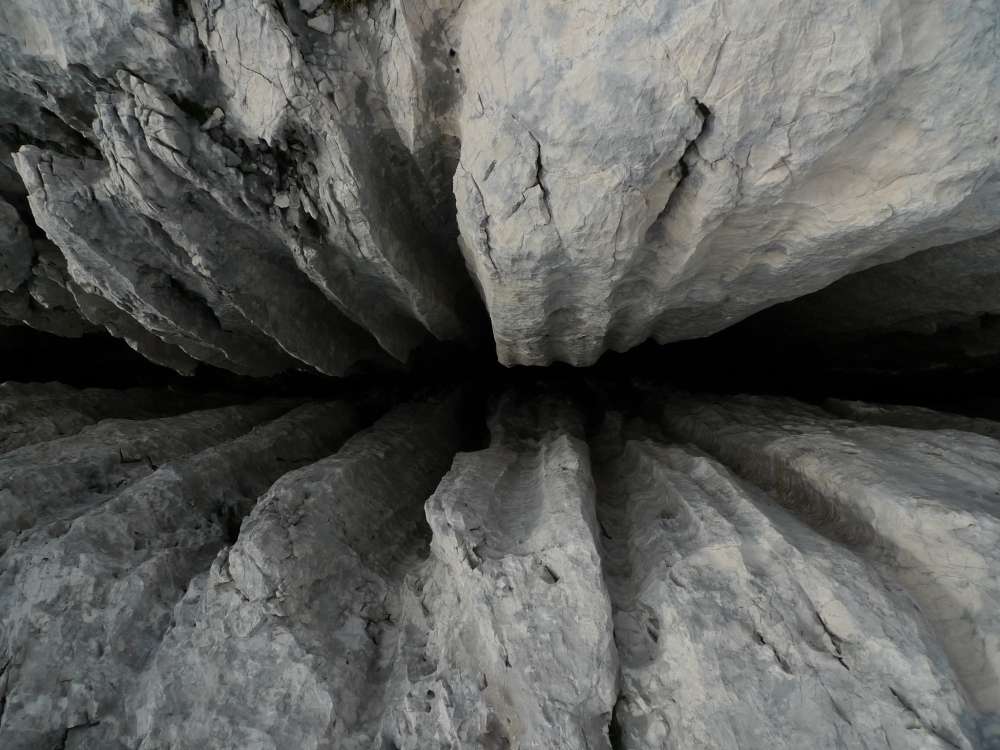
How is the word "KRAS" written? In Slovenian, you may have learned or will learn that the word can be written with either a capital or a lowercase letter. When written with a lowercase letter, it refers to a stony area with caves and other karst formations shaped by water on limestone terrain.
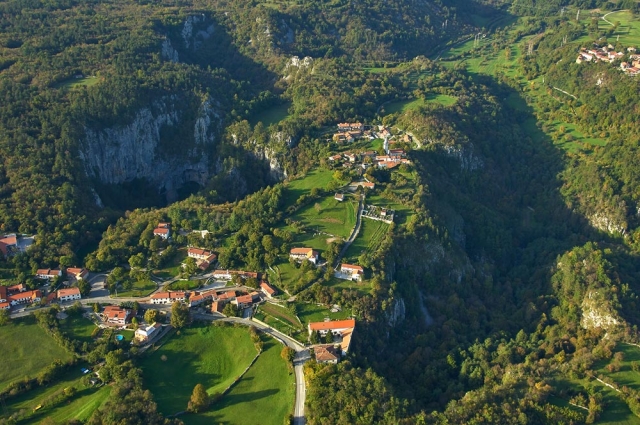
It was in the Karst region that researchers first seriously and professionally began to discover and study karst caves and other characteristic features. The internationally recognized term for a valley in karstology – "dolina" – most likely originates from the Škocjan Caves. The Škocjan Caves are the most important underground feature in the Karst and Slovenia and are among the most significant caves in the world.
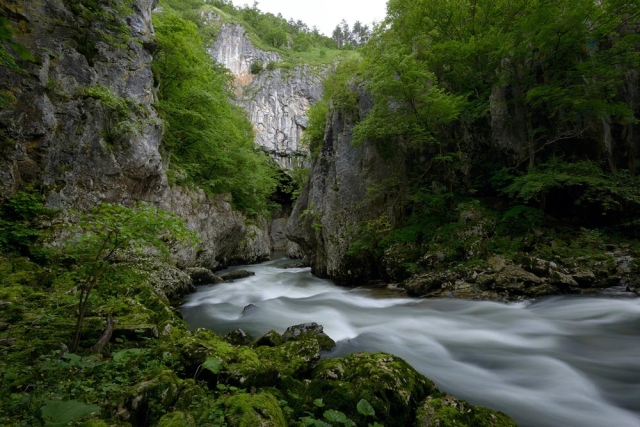
An unique area always means an unique habitat for plant and animal species that have managed to adapt to it. This region is home to rare and endangered species as well as endemics—species that are characteristic only of this particular area.
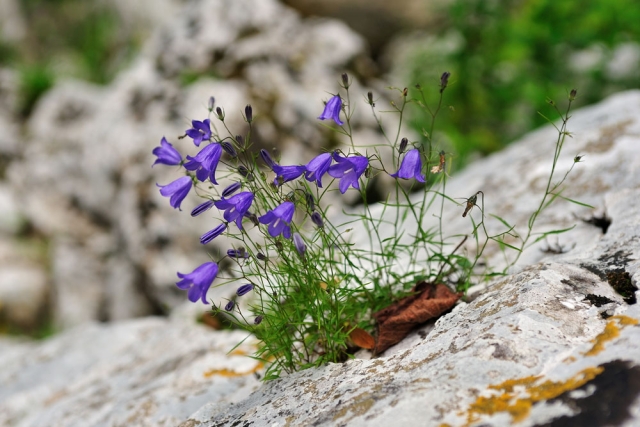
Among the flowering plants, the most characteristic are common ivy, wall lettuce, stellaria montana, and parietaria judaica. Among the ferns, we notice the maidenhair spleenwort and hart's-tongue fern.
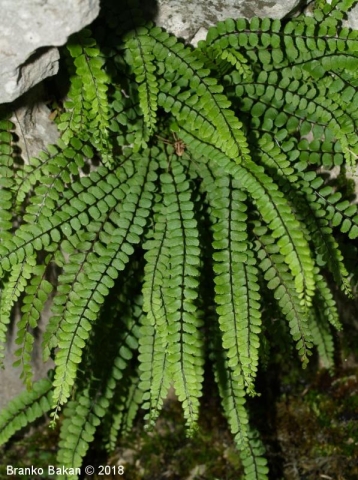
maidenhair spleenwort
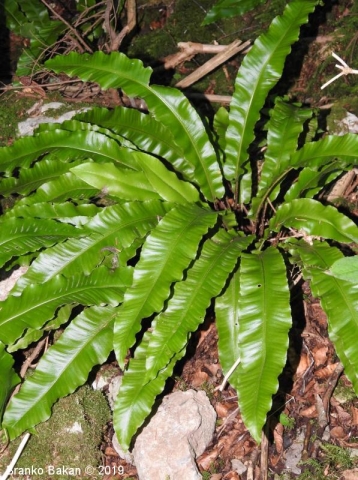
hart's-tongue fern
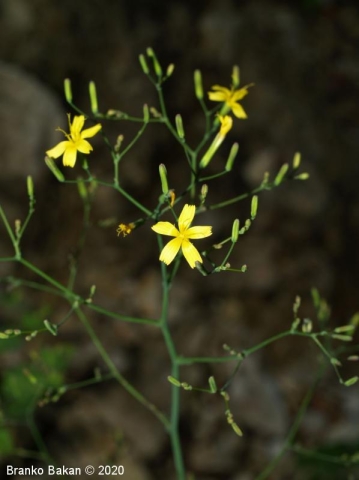
wall lettuce
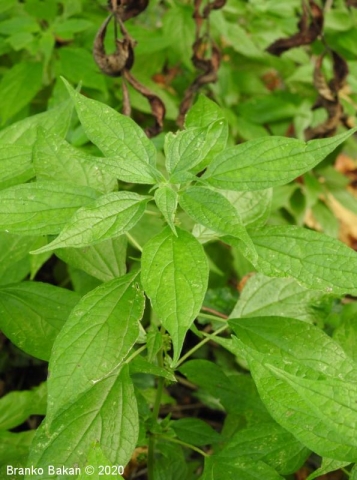
parietaria judaica
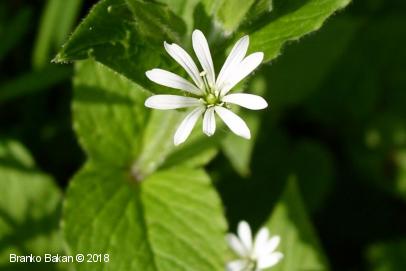
stellaria montana
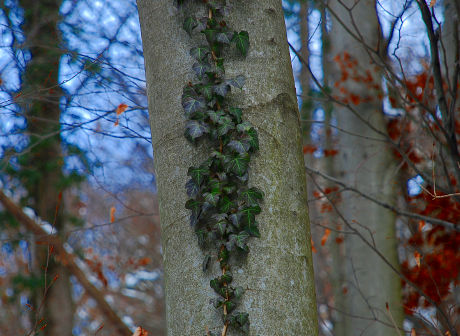
common ivy
Rock pigeons and alpine swifts can be seen under the ceilings of the cave entrances. In winter, the alpine wallcreeper also inhabits the steep walls.
It might initially seem that few birds live here, but due to the variety of habitats, you can encounter everything from moisture-loving species, such as the wren, to entirely warmth-loving species, like the bunting, shrike, and lark.
In the caves and treetops, you can spot dormouse. Foxes and badgers have their dens on the slopes of the Reka Gorge and the Sušica Stream.
Of course, we must not forget the bats. Among them, the long-fingered bat. At one time, there were as many as 1,000 individuals of this species living here.
The conditions here are different from those on the surface. This environment is characterized by a stable and average temperature, humid air, and, of course, constant darkness.
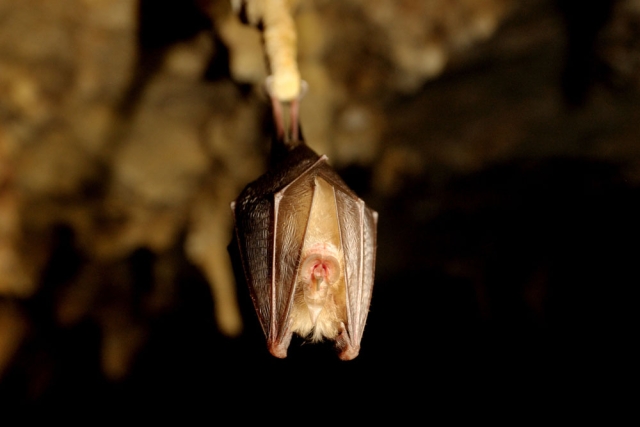
Constant darkness means that there are no green plants, and consequently, very little food for animals, all of which comes from the surface. Certain bacteria, fungi, and very specialized animals have adapted to such conditions. Excluding bats, which feed outside and only rest in caves, all terrestrial cave animals are tiny, rarely exceeding a centimeter in size. Beetles, spiders, and pseudoscorpions are the most dominant among them. In underground waters, various crustaceans, isopods, copepods, amphipods, and the olm, can be found.
Thank you.