Habitats: diverse living areas

Habitats: diverse living areas

Adaptability of plants and animals to living conditions

Slovenia is a small country, but the diversity of its territory is great. We have mountains, plains, sea, forests, meadows, caves... Sun, wind, rainfall, rocks, proximity to rivers and lakes, and many other factors determine the characteristics of an area. They also influence the life of plants and animals that have adapted to these conditions throughout history.

Just by looking at a plant, you can predict what the conditions are like for growth and development - even if it might be your first time there. What are plants like by the sea? What are those in the forest like? That's why experts have come up with names for these specific features of the environment and the living conditions they offer. They are called HABITATS or living areas.
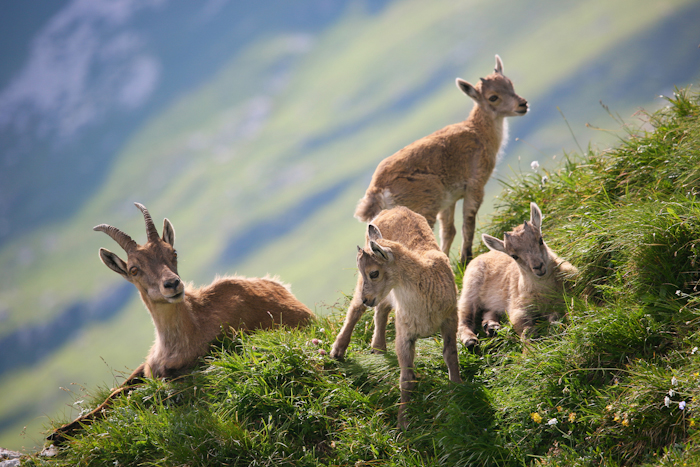
The diversity of the landscape provides a variety of habitats to which certain species of animals and plants have adapted.
Decorative element


To survive, each animal needs a sufficient amount of food, water and space. So do plants. For example, the brown trout needs a cold, clean and fast river, the wolf lives in dense mountain forests, the Alpine ibex needs rocks, the Eurasian hoopoe needs grassland forest and the heron needs wetlands.

Clear and fast streams, mountain forests, meadows, wetlands... these are all habitats.

Habitats are part of the ecosystem. The relationships between living and non-living nature are intertwined all the time. Populations of a species live together in a habitat, and populations of different species of animals and plants coexist. There are eight basic ecosystems in Slovenia:
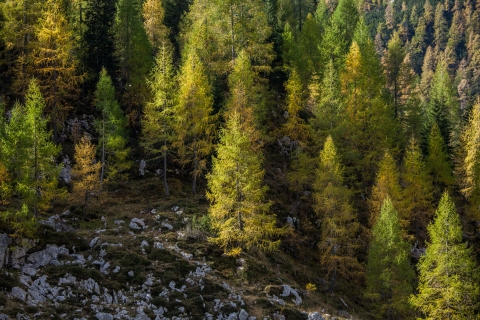
The photo shows an autumn spruce forest growing on a rocky hill that is partly covered with vegetation.

FOREST

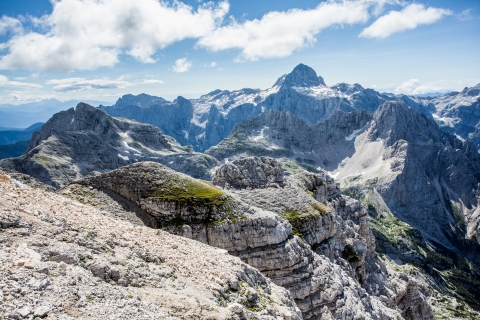
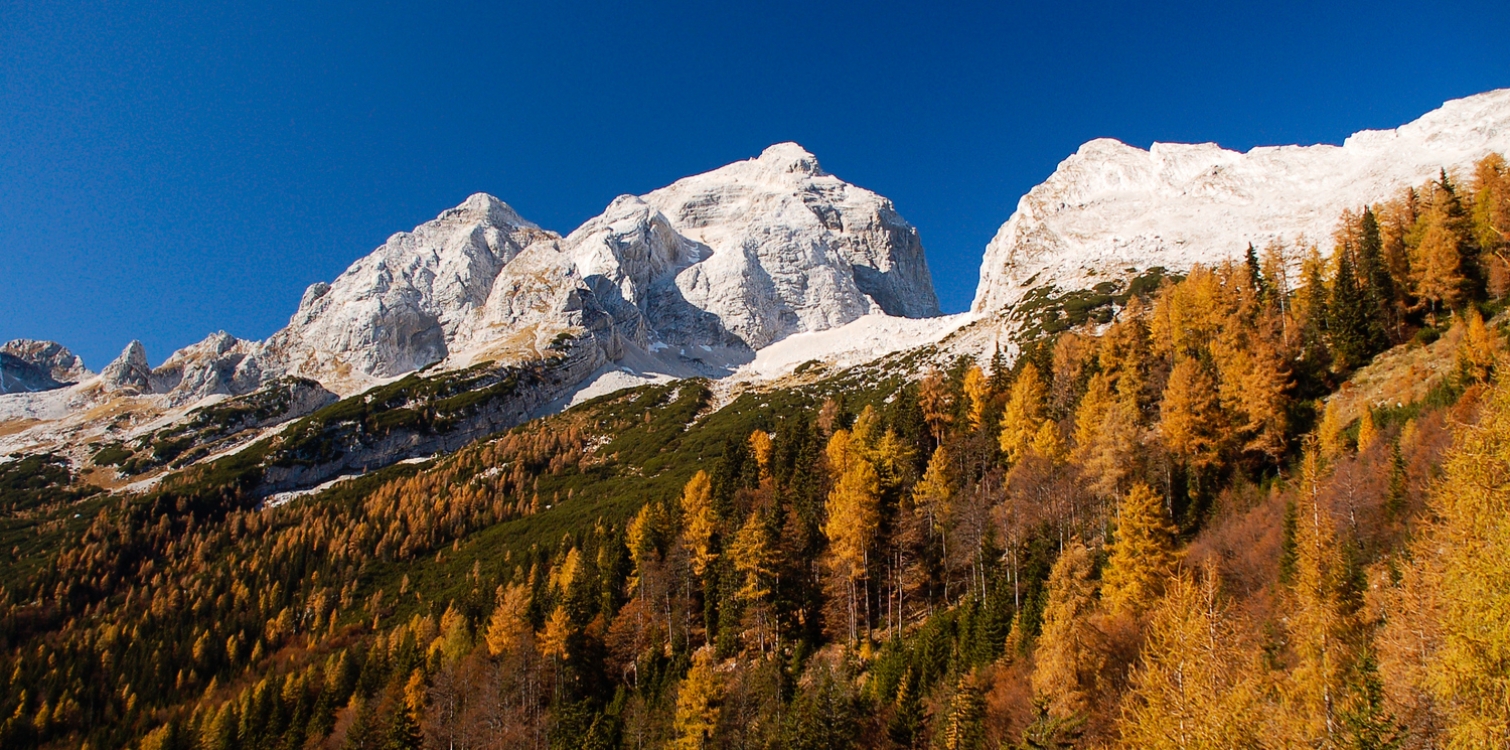
The photo shows the peaks of a rugged mountain range. Among them are patches of greenery, scree, and snow. The sky is partly covered with clouds.

MOUNTAINS

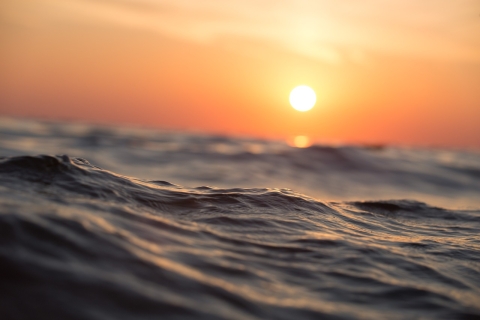
The photo shows a close-up of the ocean. Two dark blue waves are visible against a sunset. The sky is orange and yellow.

SEA

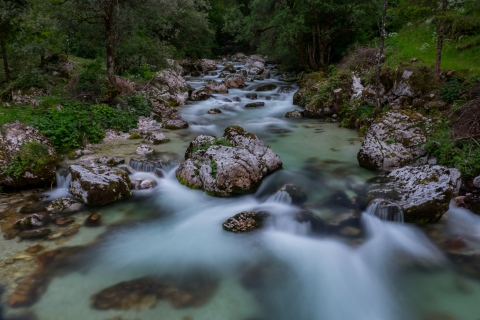
The photo shows a river rushing over rocks, some of which are partially covered with moss. The riverbanks are overgrown with dark green undergrowth and deciduous forest.

INLAND WATERS

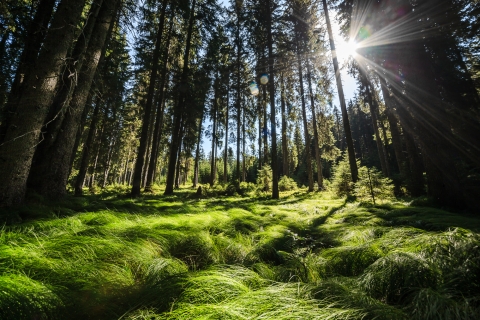
The photo shows a spruce forest with the ground beneath it covered in dense grass. In the background, the sun is shining, with its rays filtering through the trees.

WETLANDS

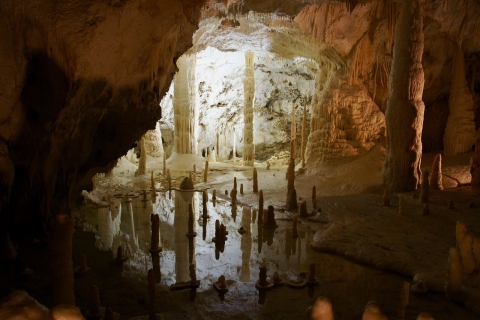
The photo shows a cave illuminated with orange and white light. Inside the cave there are various stalactites and stalagmites, and the ground is partially covered with water.

UNDERGROUND

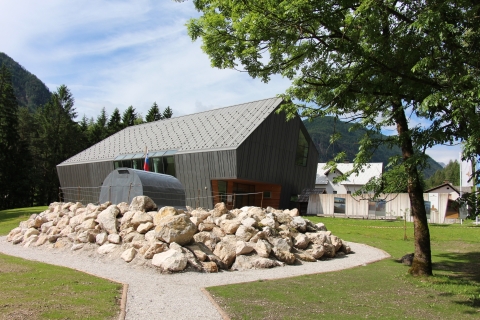
The photo shows a house in the style of traditional Alpine architecture. Beside the house is a large display of a bivouac with a path around it. In the background, on the meadow, there are more houses. On the left, the meadow is surrounded by forest.

CITIES

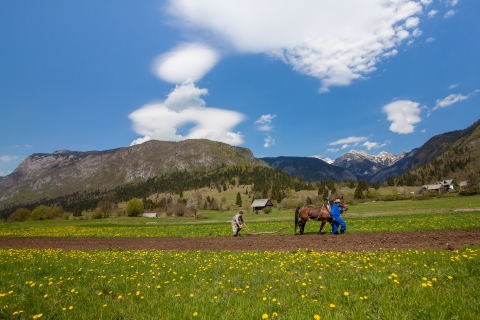
The photo shows a horse and two farmers plowing a field. Around it stretches a meadow covered with dandelions. In the background, a hilly Alpine landscape rises. The sky is blue with a few white clouds.

CULTURAL LANDSCAPE

Different ecosystems are home to different species of animals and plants. Therefore, species that live in the sea will not be found in the highlands, and vice versa.